 Photo: Maryusss2011 · CC BY-SA 3.0
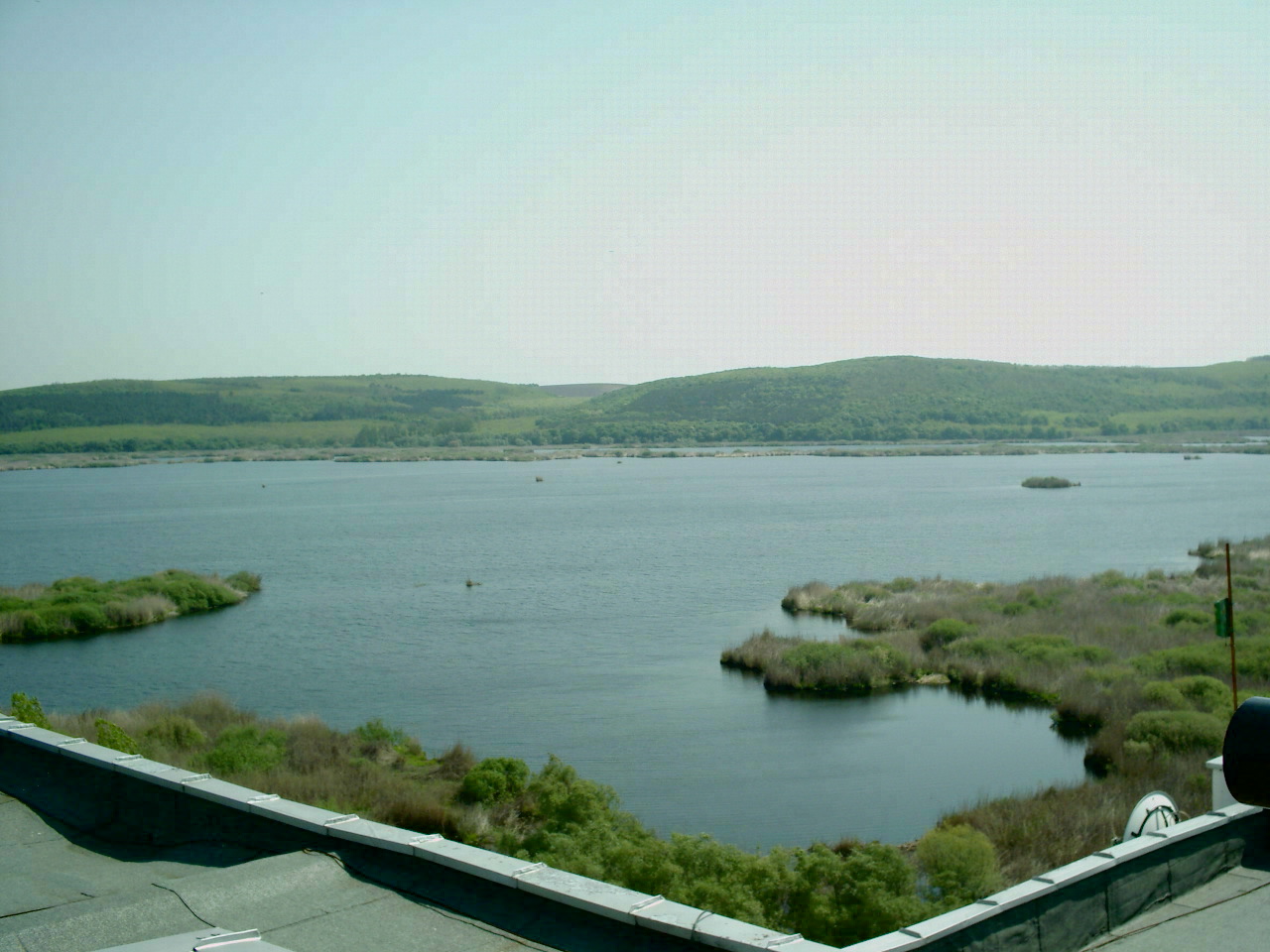
Photo: unknown author · CC BY-SA 3.0
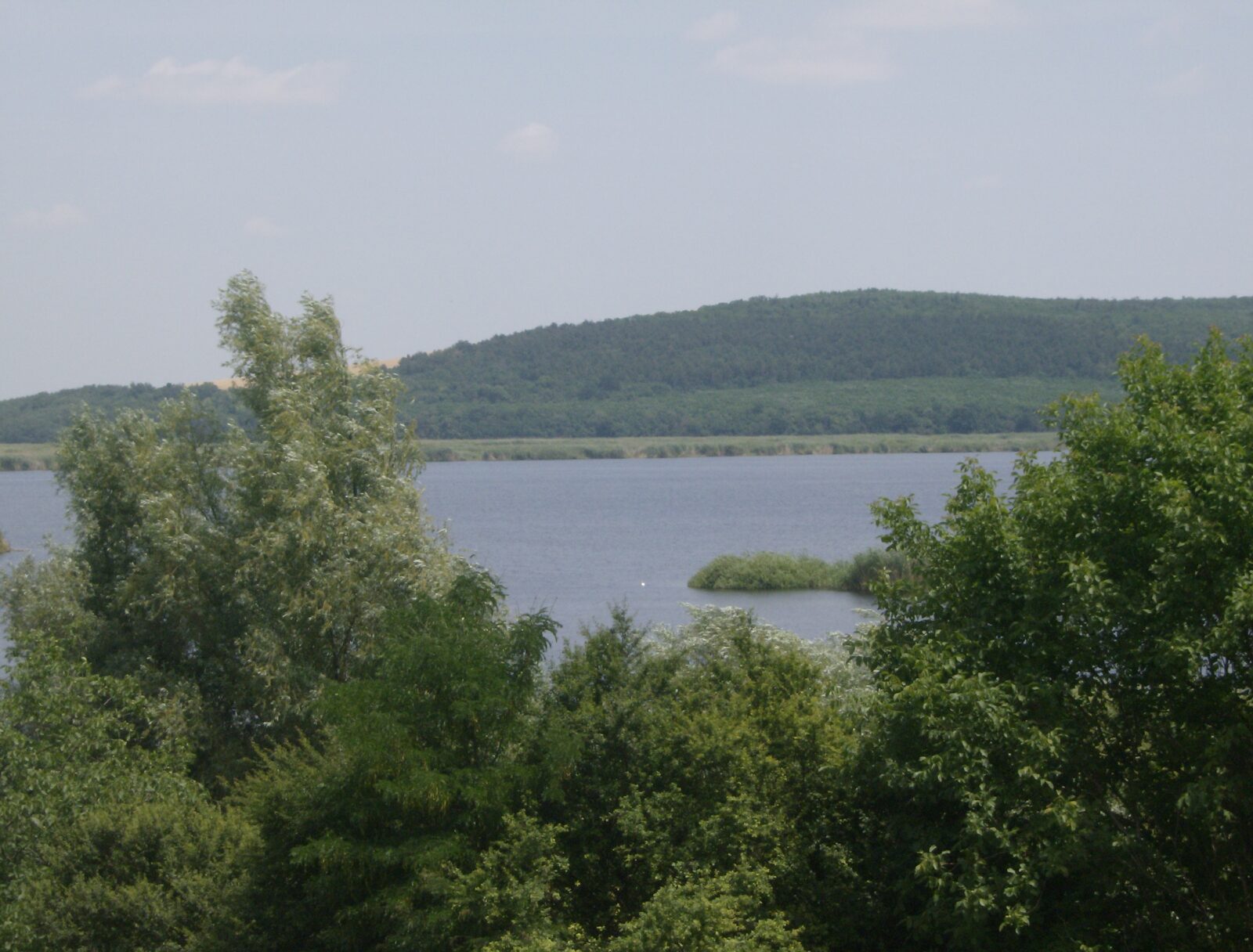
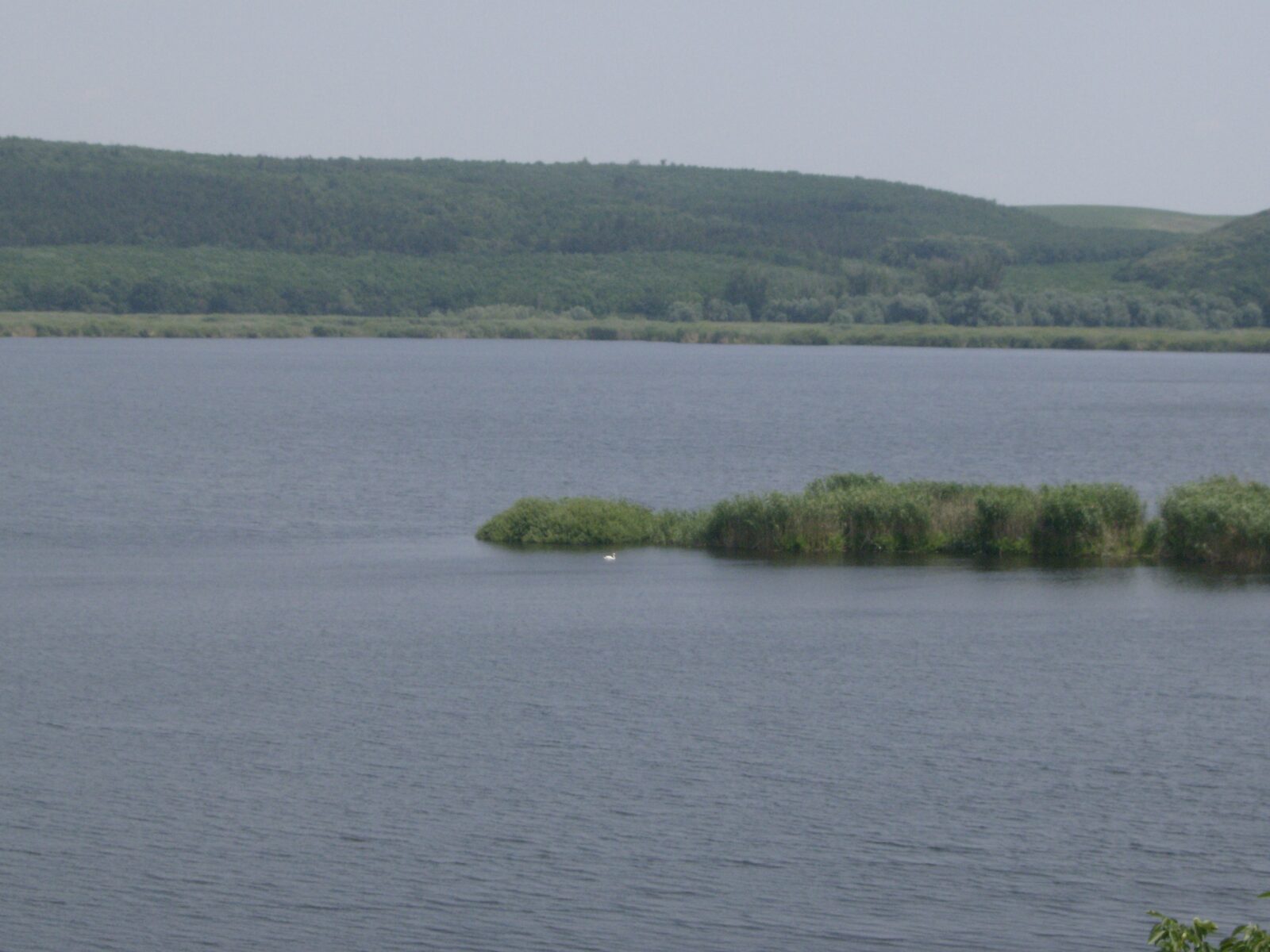
Lake Srebarna is a freshwater lake beside the Danube in northeastern Bulgaria, west of the town of Silistra, and the largest river-side lake in the country. The lake and its surroundings form the Srebarna Nature Reserve, a Ramsar wetland and a UNESCO World Heritage Site that lies on the Via Pontica bird migration route and is famous for the birds that nest there.
How it formed
Srebarna is a shallow lake that is fed by karst water and linked to the Danube by a natural channel, and reeds and other water plants grow in and around it. It lies in the west of the Aydemir lowland. It is shallow, and its depth varies.
History
Foreign biologists had studied the lake for many years before the first Bulgarian scientist, Aleksi Petrov, visited in 1911. The area was proclaimed a nature reserve in 1948, became a Ramsar site in 1975, and was inscribed on the UNESCO World Heritage List in 1983. A museum next to the lake presents the species typical of the reserve.
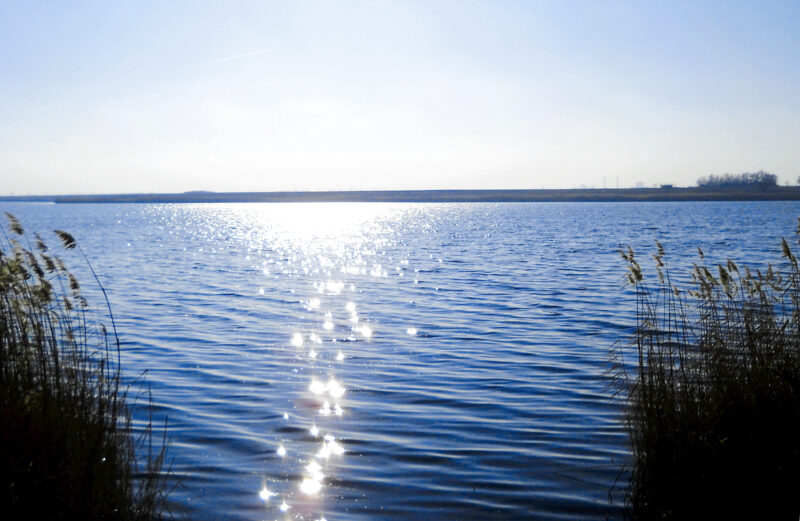
Several legends explain the name. One tells of a khan named Srebrist who died in a battle nearby; another of a boat full of silver on the shore. The one regarded as most plausible says the name comes from the silvery reflections on the lake on moonlit nights.
Nature
The reserve lies on the Via Pontica, the route taken by migrating birds between Europe and Africa, and it is most famous for the many bird species that nest there, among them herons, cormorants, the glossy ibis, the Dalmatian pelican and the mute swan. Besides birds it is home to mammals, reptiles, amphibians and fish, and to many plants, some of them endangered outside the reserve.
Pelicans on a platform
The Dalmatian pelicans nest on a wooden platform and rest on a small jetty on the lake, and the birds are wary of people, so watching is from a distance. The museum lends binoculars for the purpose. Between about 160 and more than 200 bird species have been recorded, among them white-tailed eagles and greater flamingos.
Gallery
Visit
Getting there
Nearest settlement: Srebarna
Swimming
No reliable information
Tips
The reserve is close to the village of Srebarna, a short distance west of Silistra, about 18 km from Silistra on the road to Ruse. Check the reserve’s official pages for access, opening times and fees; the museum by the lake shows the species typical of the reserve.
On the eco-trail
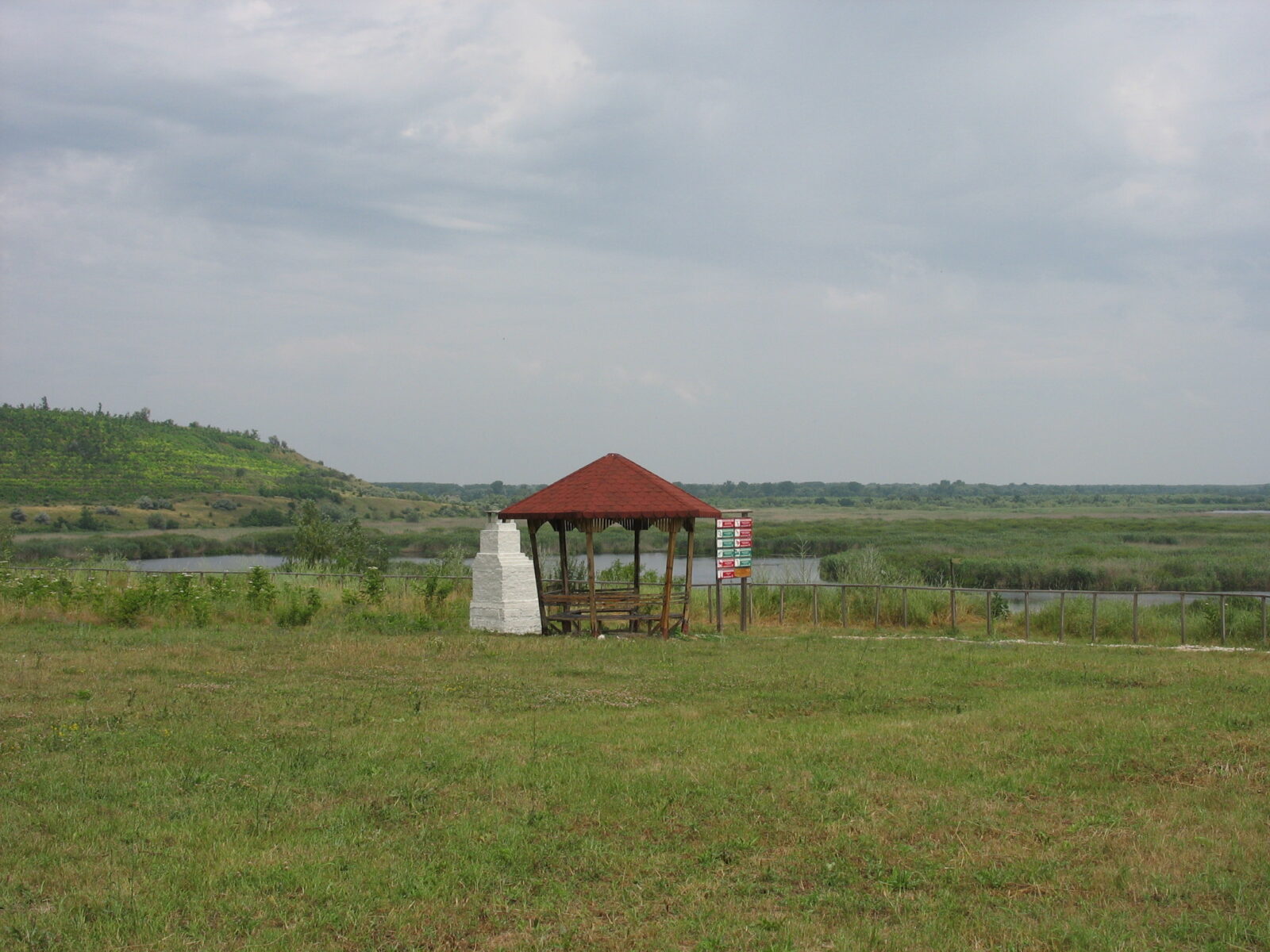
An eco-trail circles the lake with observation points and gazebos for resting and watching. Birds can be watched only from afar. The best times are spring (March to May, at dawn) and the autumn migration (August–September), though sunrise and sunset are also when the mosquitoes outnumber the birds, so bring repellent. The reserve is small and can feel crowded on public holidays and weekends, so a weekday trip helps. Museum entry may be free on Thursdays, so it is worth asking.
Nearby lakes
Show on mapPhoto: Maryusss2011 · CC BY-SA 3.0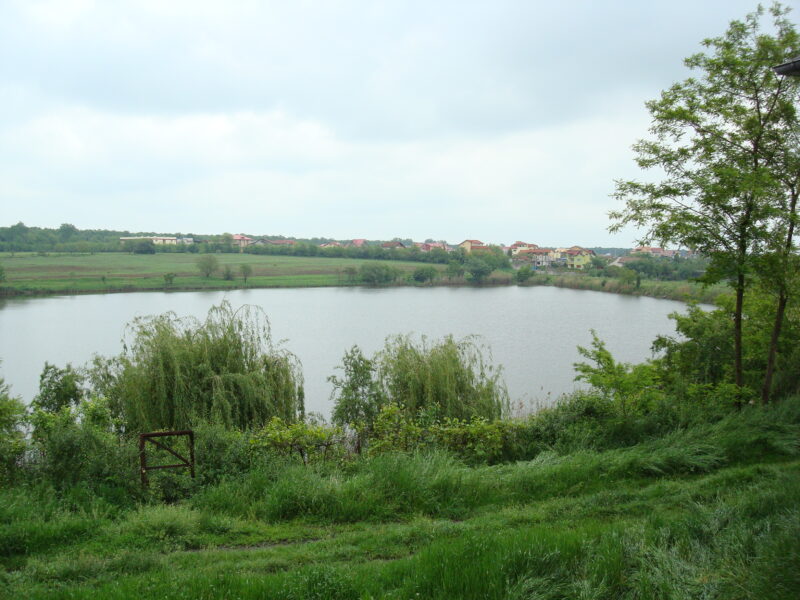


Know Lake Srebarna well?
Suggest a beach, viewpoint, trail or amenity, or tell us if something has changed. We read every message.
Sources & data
- Bulgaria's 2022 Water Framework Directive reporting to the EEA: lake (LW) and transitional (TW) water bodies, field cArea, European Environment Agency (WISE WFD), reported by Bulgaria, 2022
- OpenStreetMap: Сребърна езеро (relation 2854053), OpenStreetMap contributors
- Wikidata: Srebarna lake (Q12294882), Wikimedia Foundation
- Bulgarian Wikipedia: Сребърна (езеро), Wikimedia Foundation
- Wikipedia: Srebarna Nature Reserve, Wikimedia Foundation
- Birding places: Srebarna Nature Reserve, Birdingplaces.eu
- Srebarna: a visit to the reserve, Bulgarian National Radio