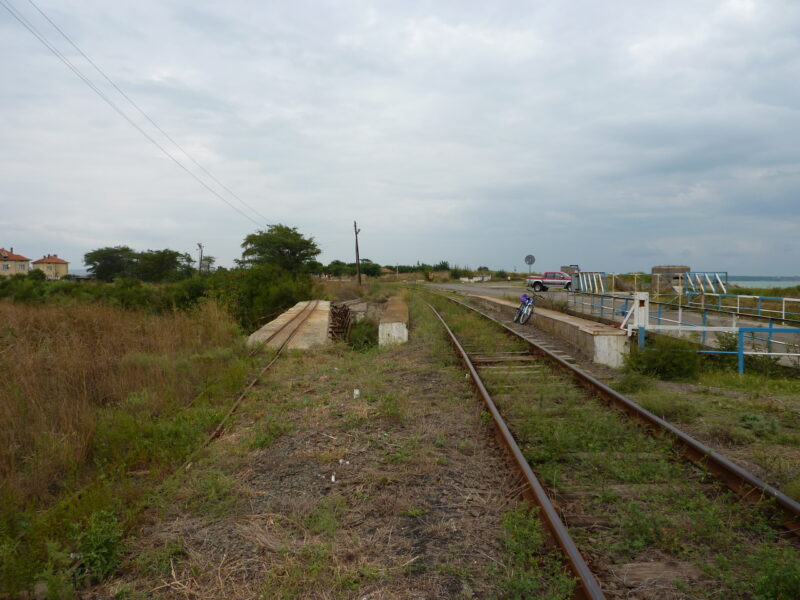
 Photo: User:Vmenkov · CC BY-SA 3.0
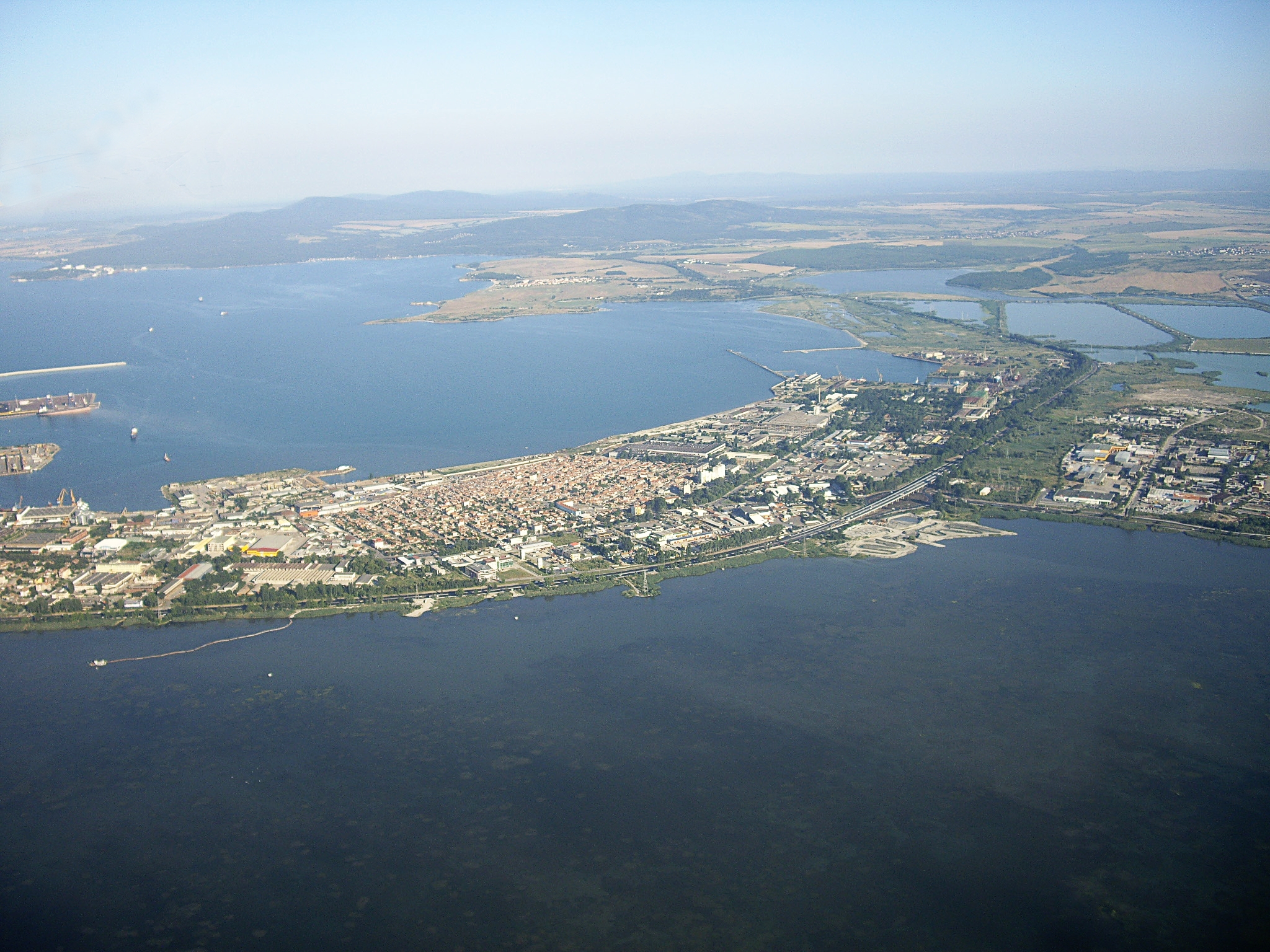
Photo: Vammpi · CC BY-SA 3.0
Lake Vaya, also known as Lake Burgas, lies near the Black Sea to the west of the city of Burgas and is the largest natural lake in Bulgaria. It is shallow and only slightly salty, and it is home to a great many bird species. Its waters hold fish, invertebrates and birds, including species that are endangered in Bulgaria.
How it formed
Vaya lies close to the Black Sea. It is very shallow and wide, and its water is only slightly salty.
History
For a long time the lake was an important fishing water for the region. Its economic role declined after a petrochemical plant was built near the city of Burgas, and since then it has been valued more as a place for nature than for fish.
Nature
The lake supports a wide variety of life, including many fish and invertebrates and hundreds of bird species, among them species that are endangered in Bulgaria and in the world. In recent years the number of species has been increasing and pollution has been decreasing.
Where the birds are
Winter and the spring and autumn migrations are the best seasons. Nearby, Poda Protected Area is home to a BirdLife visitor centre, and in winter you can see all three European swan species, and Dalmatian pelicans from Foros Bay to Poda. Both pelican species pass through on migration.
Gallery
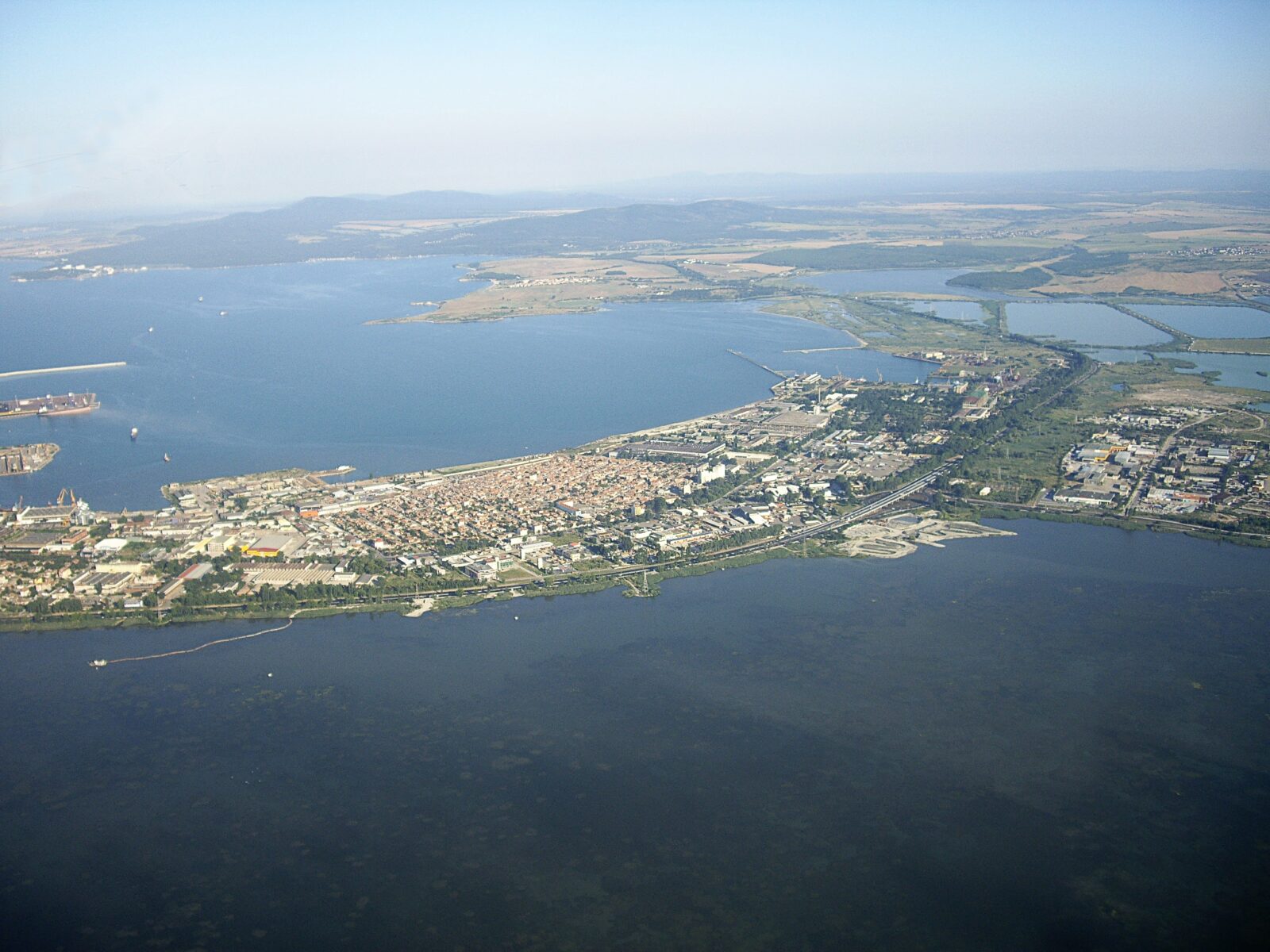 Photo: Vammpi · CC BY-SA 3.0
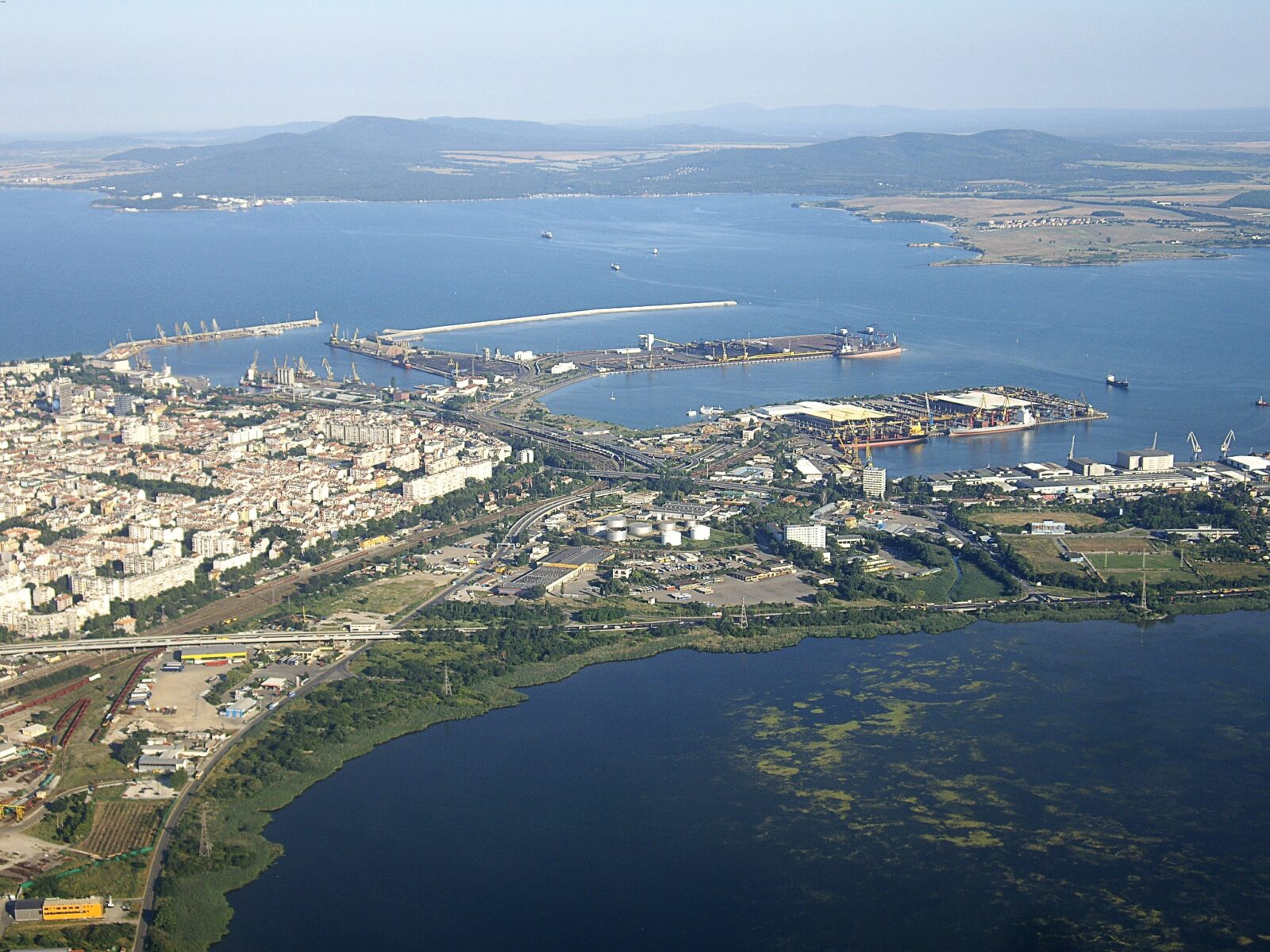 Photo: Vammpi · CC BY-SA 3.0
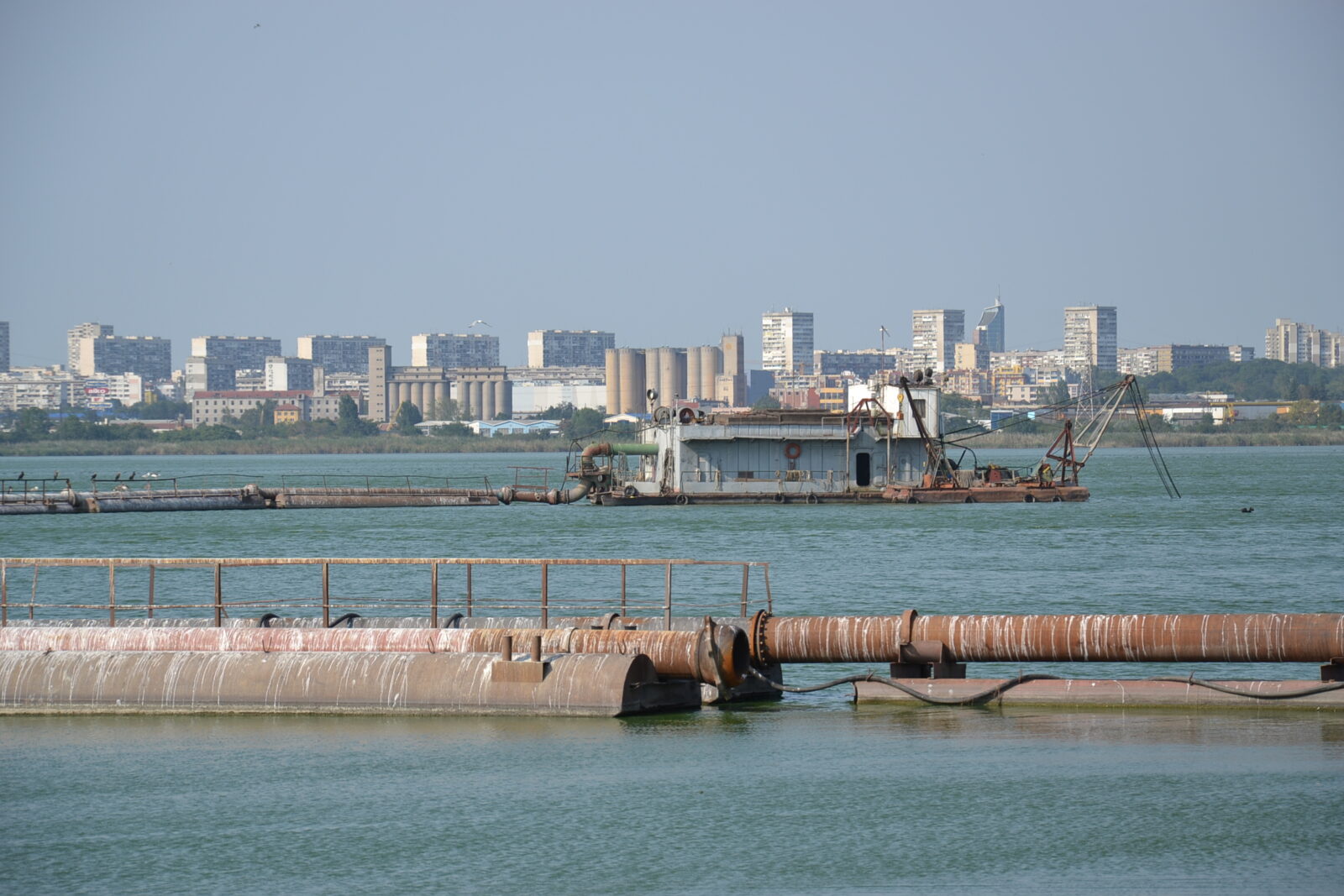 Photo: Pudelek (Marcin Szala) · CC BY-SA 3.0
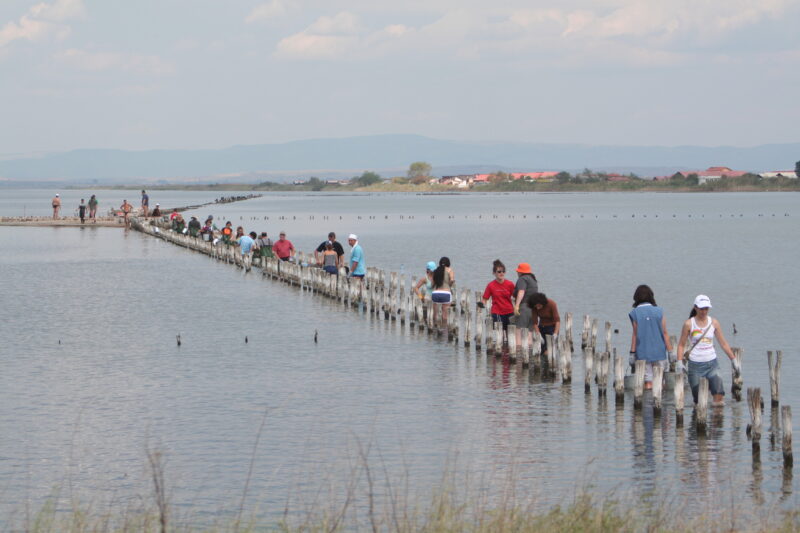
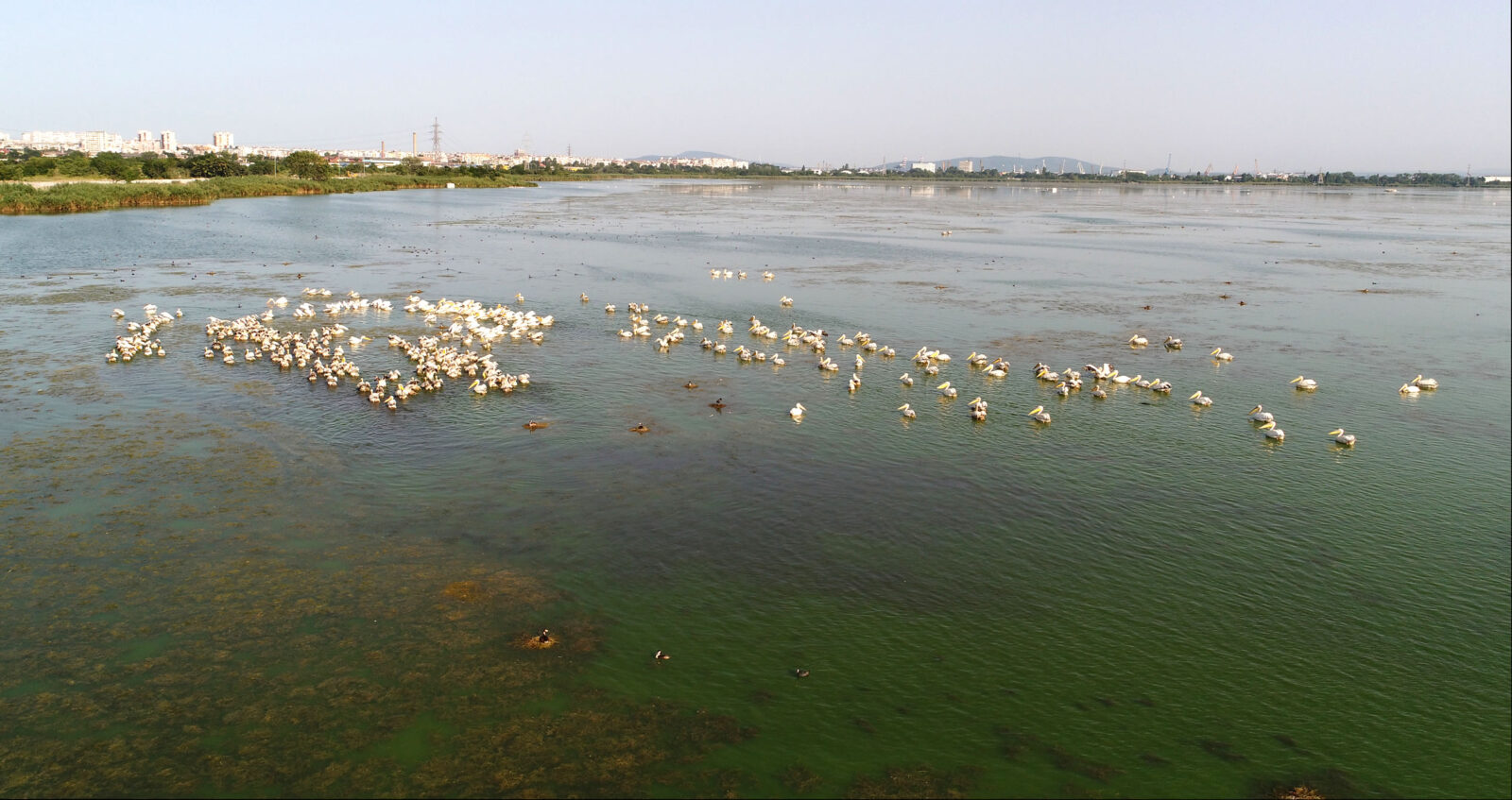 Photo: Terzo1313 · CC BY-SA 4.0
Visit
Getting there
Nearest settlement: Burgas
Swimming
No reliable information
Tips
The lake lies close to the city of Burgas, so it is easy to reach, and its birdlife is its main attraction. Check local conditions and any access rules before visiting the shore.
Visiting the north shore
The north shore can be reached by car or on foot: drive to the Krayezerna roundabout in the Burgas industrial zone and turn west to find parking near the northern bank. There are no hides here.
Poda Centre
The Poda centre of the Bulgarian Society for the Protection of Birds stands right on the road between Burgas and Sozopol. Visitors can use binoculars and scopes from the terrace, walk the visitor trail and use photo hides, and staff can give you current bird reports. It is open all year, with March, April, August and September recommended. Bus 17 from Burgas stops at Poda (get off at the first stop on the way back to Burgas), and a cycle path links it with the city. The overflow of the Mandra dam, to the south, is another good birding spot.
Nearby lakes
Show on map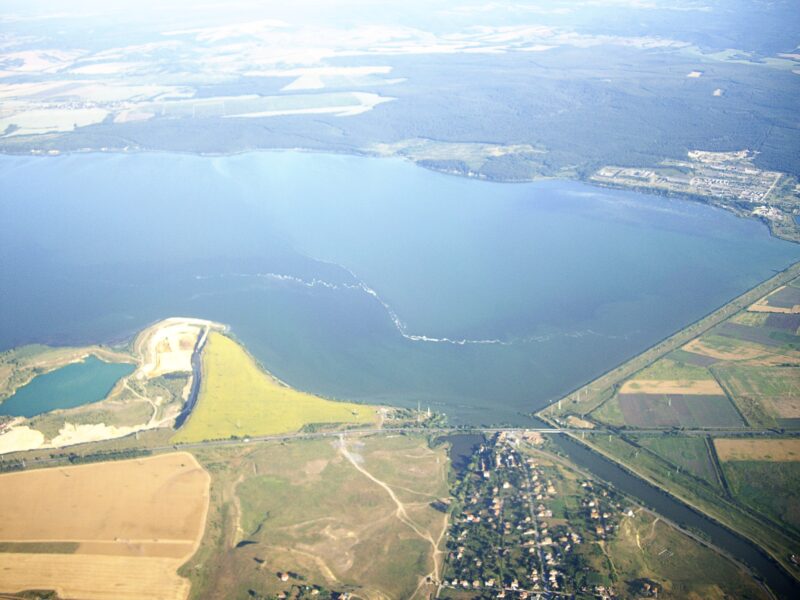


Know Lake Vaya well?
Suggest a beach, viewpoint, trail or amenity, or tell us if something has changed. We read every message.
Sources & data
- Ramsar Information Sheet: Vaya Lake (2002), Ramsar Convention Secretariat (sheet compiled for Bulgaria), 2002
- Wikidata: Lake Burgas (Q1014783), Wikimedia Foundation
- Wikipedia: Lake Burgas, Wikimedia Foundation
- Poda Protected Area, Bulgarian Society for the Protection of Birds
- Birding places: Poda reserve, Birdingplaces.eu
- Birding places: Burgas (Vaya) Lake north, Birdingplaces.eu