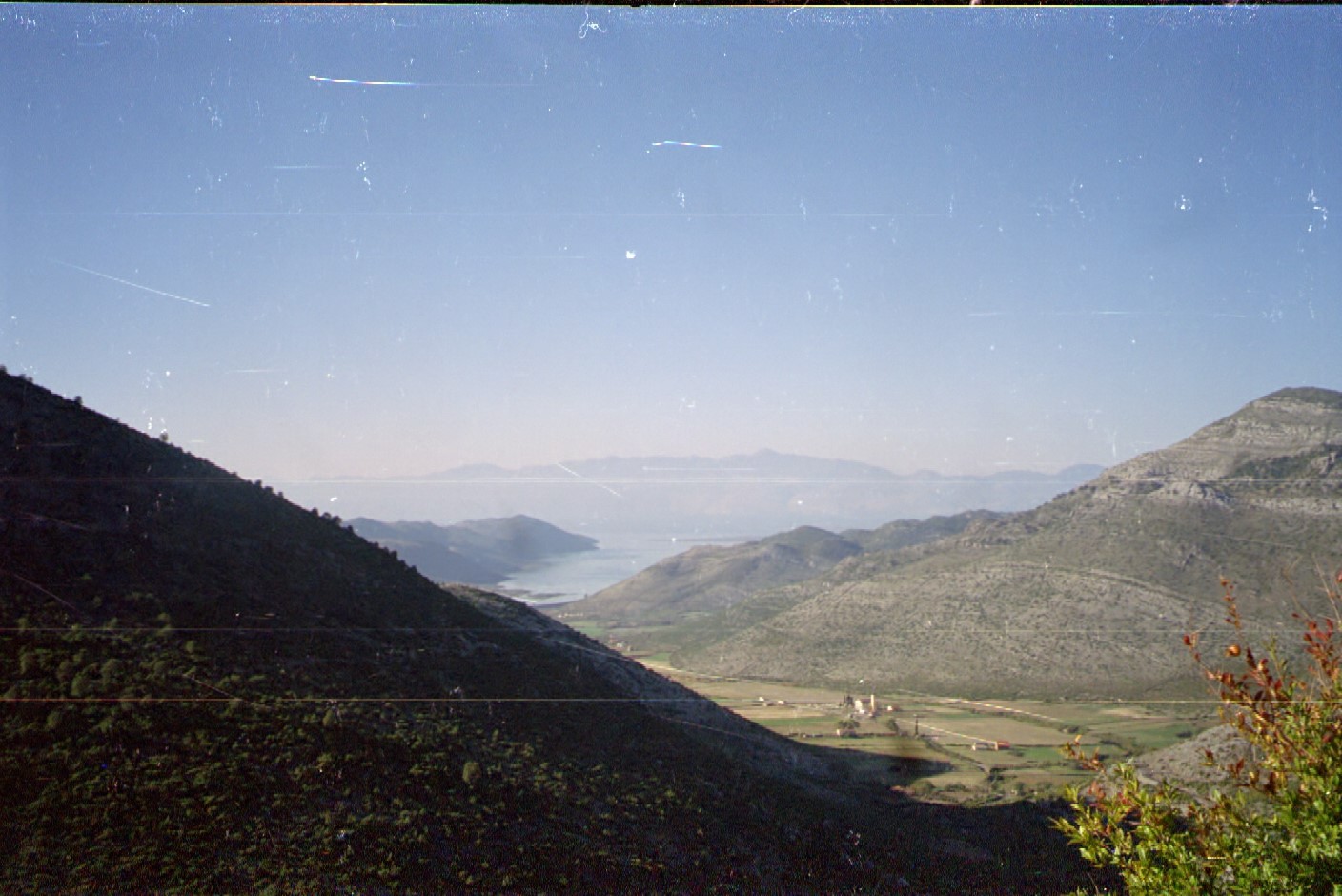
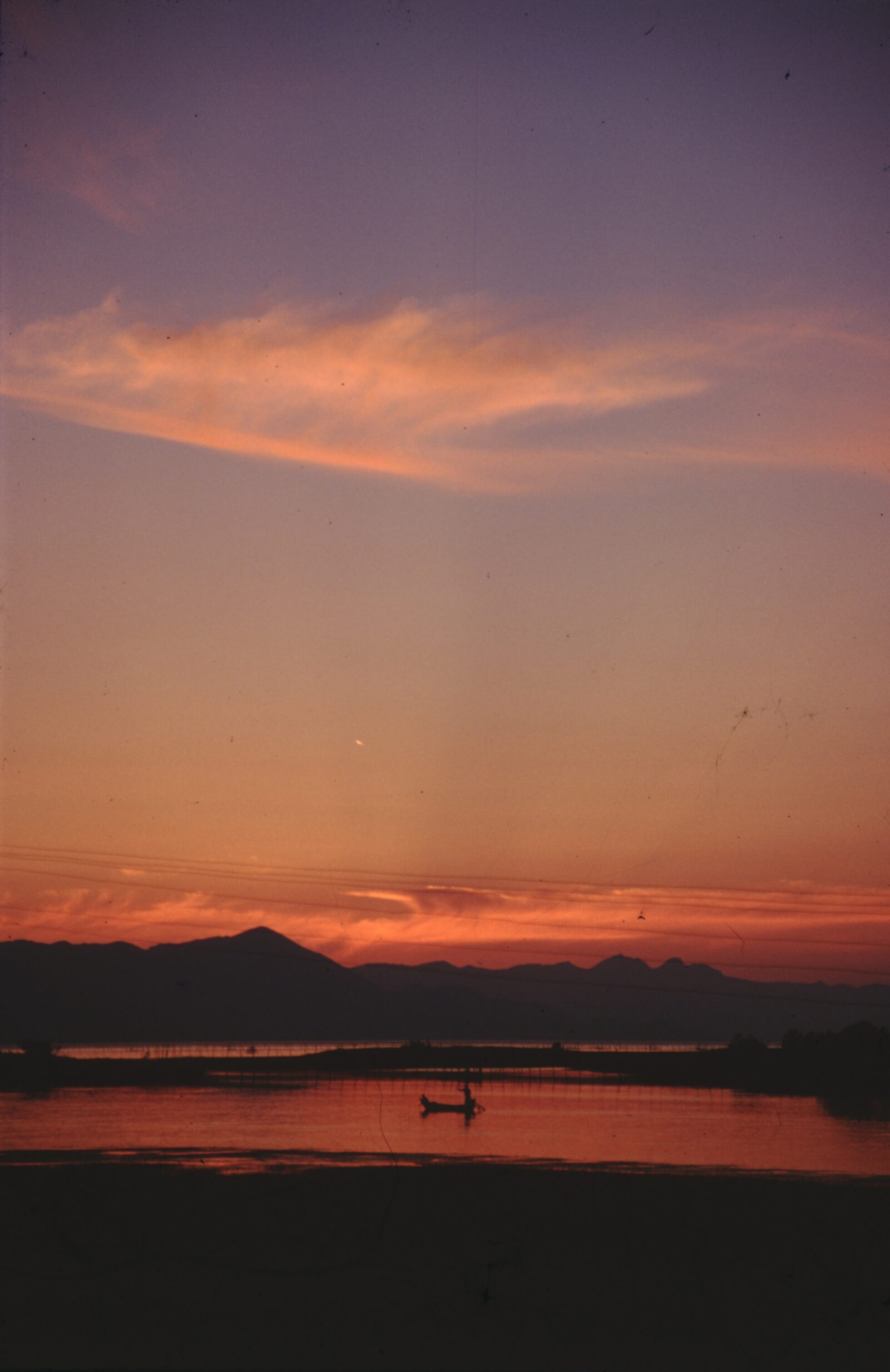
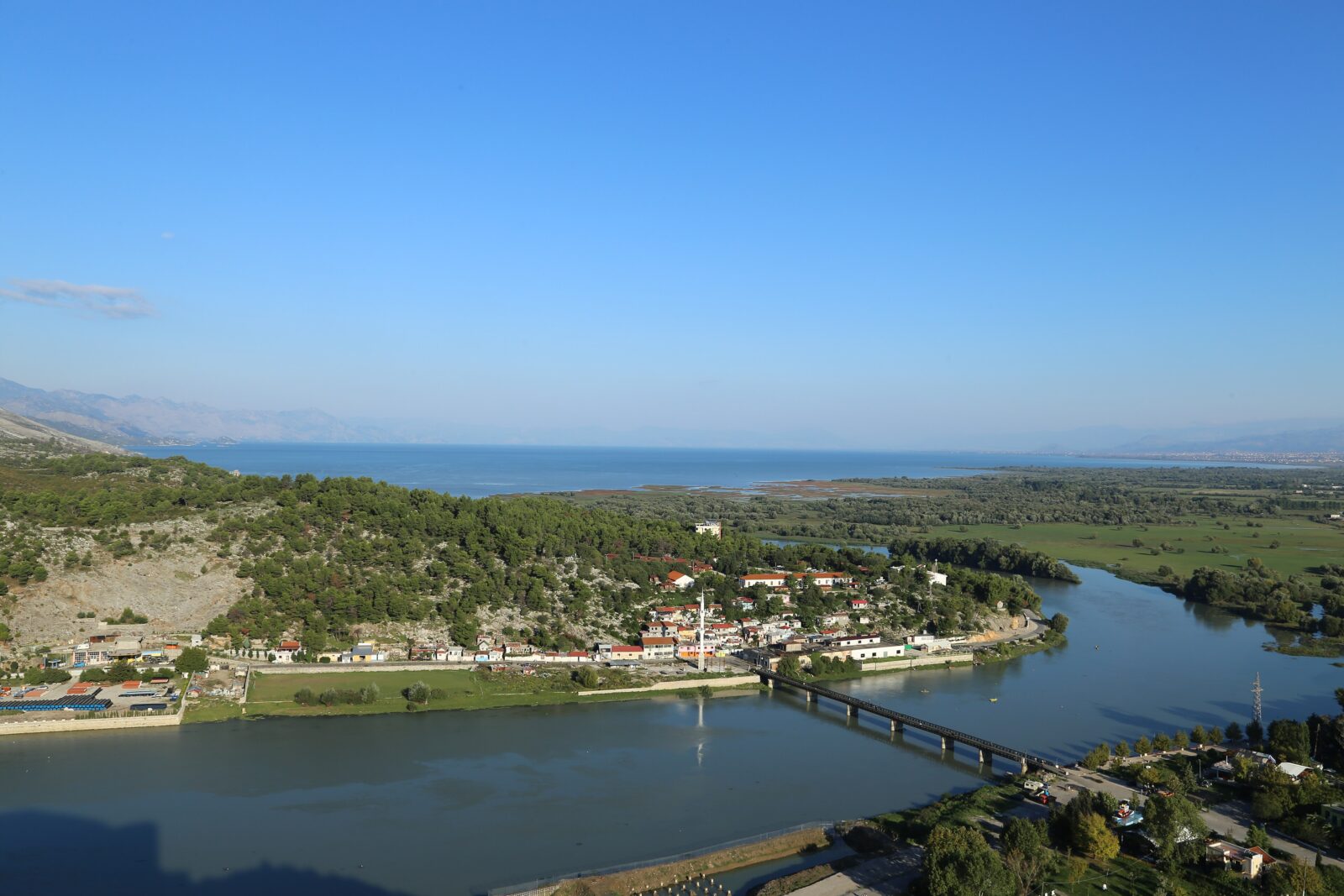
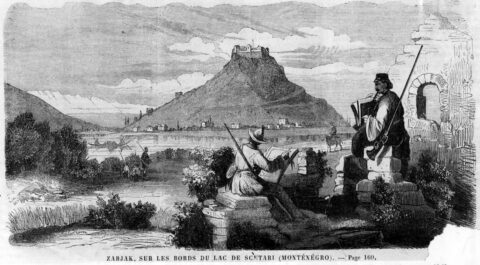
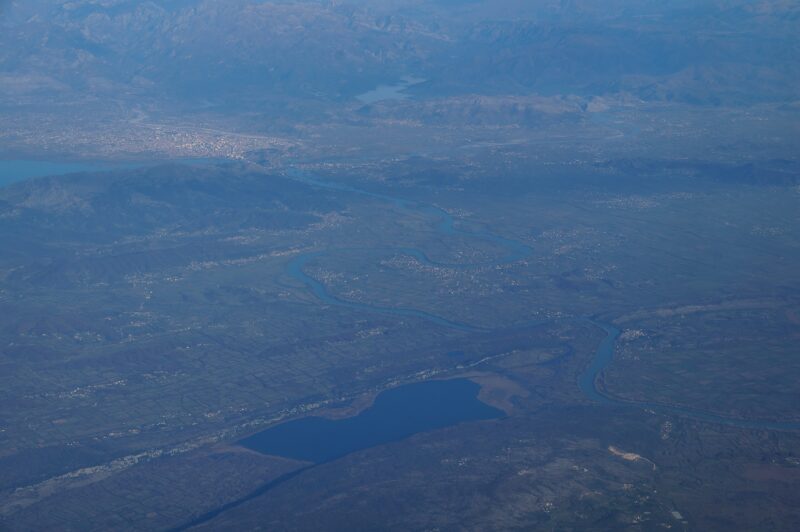
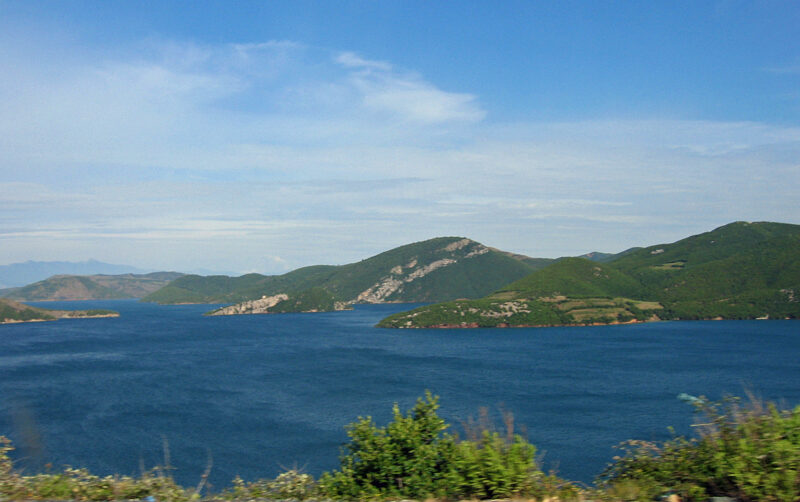
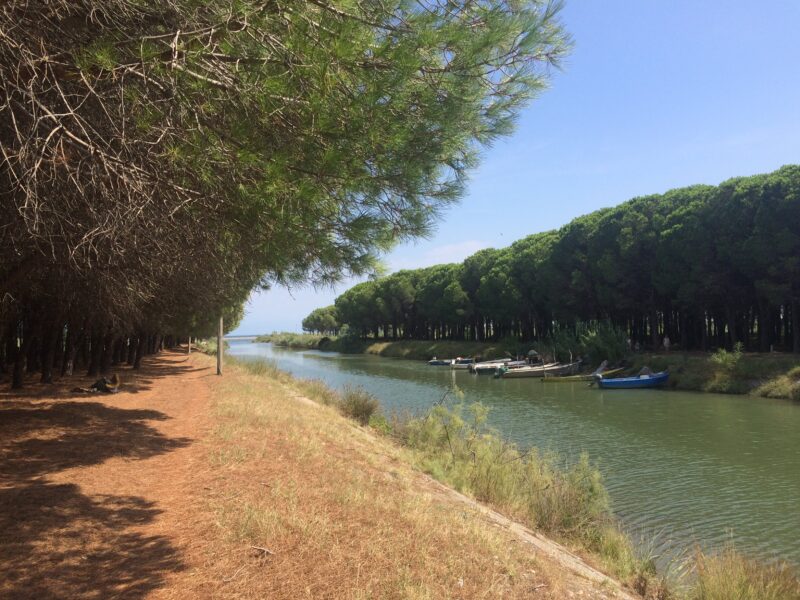
The Montenegrin part of the lake is a national park and the Albanian part a managed nature reserve, so expect protected-area rules on both shores. Shkodër, the Albanian city that gave the lake its name, lies on the south-eastern shore, and its water level changes a great deal between seasons, so the shoreline you find may differ from one visit to the next.
When to go
April to June is the pick: pelicans are nesting, the lilies come into bloom and the temperatures are around 20–26 °C. July and August can be very hot (over 35 °C), so get on the water before 9 a.m. September and October bring the grape harvest and milder weather, and in winter the lake is quiet, with some facilities closed and plenty of birds.
Getting there and on the water
Virpazar, on the western shore, is the main gateway. It is about 30 minutes by road from Podgorica, and the Belgrade–Bar train stops there, with a few trains a day. The national park entry fee is paid separately from your boat trip (about 4–5 euros a day). A two-hour group trip typically costs 15–25 euros per person, and operators do not all charge alike; book ahead online to avoid touts in the harbour. Kayaks are a quieter way to reach the narrow channels, and motorboats can disturb nesting birds, so choose a guide who keeps a distance. Longer cruises usually stop at Kom monastery, where the monks sometimes sell homemade honey at the jetty.
Swimming
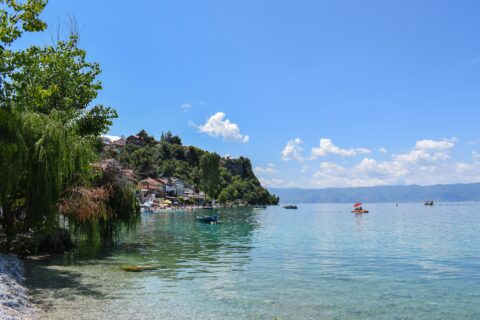
Murići, on the southern shore, has a pebble-and-sand beach, with sun loungers for hire in summer. The water is calm and clear, and the gentle entry suits children. There is parking at the beach and a restaurant nearby, and boat trips to the small islands off the shore can be arranged from the beach. The road down is narrow and rough, with blind bends, so arrive in the morning before it fills up.
On the Albanian side the villages of Shiroka and Zogaj, on the southern shore near Shkodër, are where locals swim at weekends: simple pebble beaches, boardwalks and wooden fishing boats. Bring repellent for summer evenings, and do not be alarmed by water snakes, which are harmless. Because the lake is shallow, it warms quickly in summer.
Viewpoint
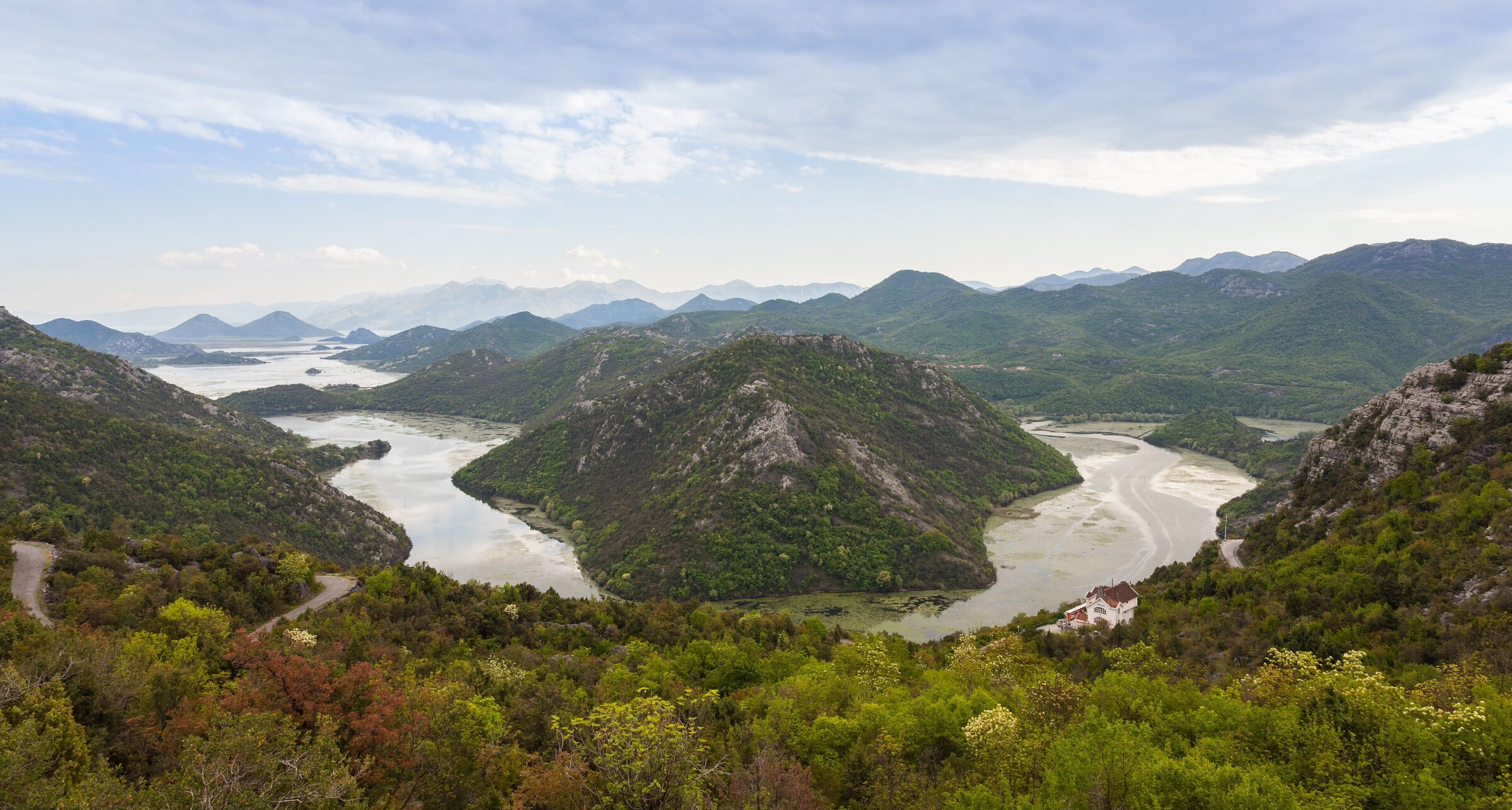
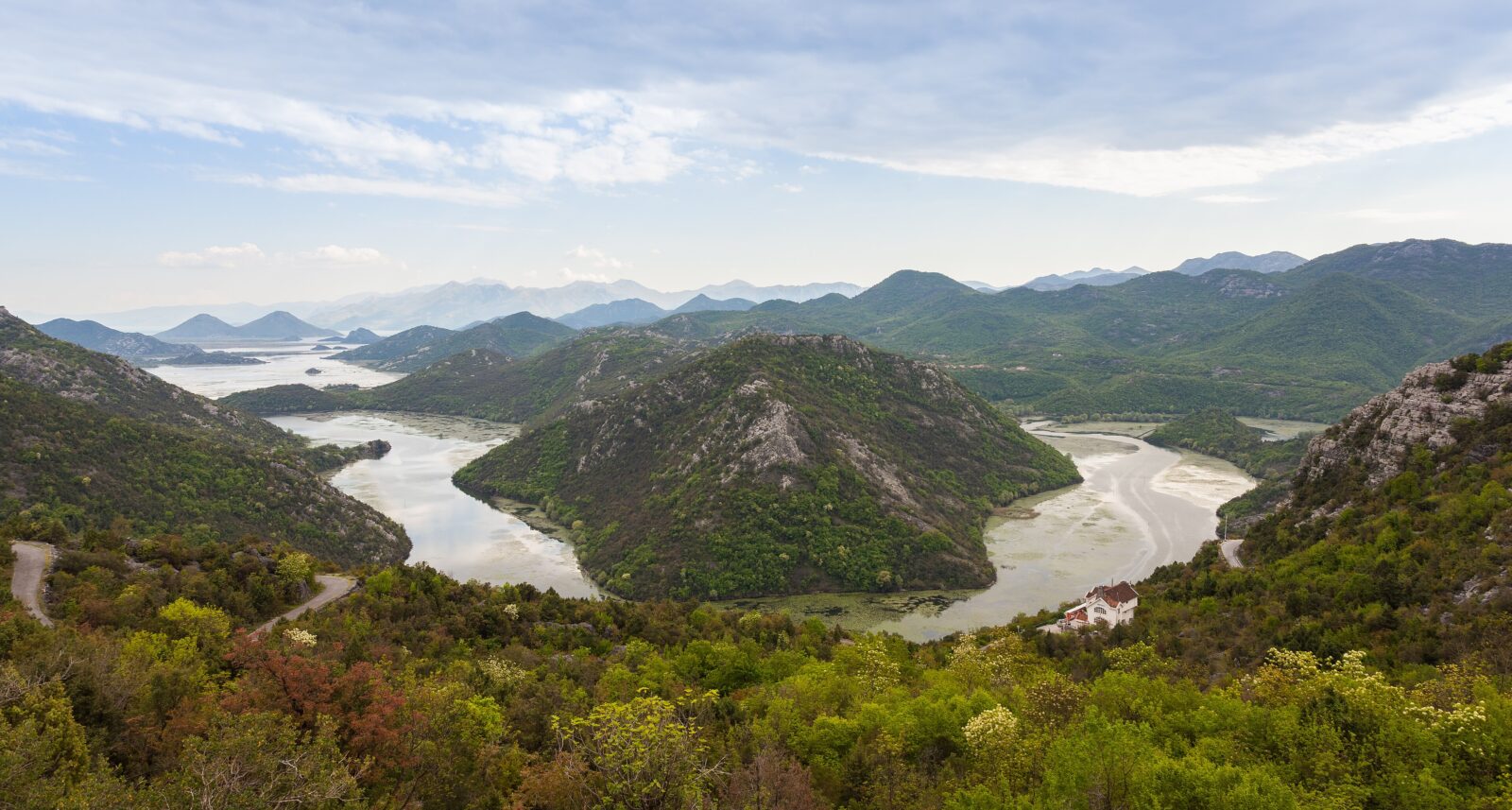
Pavlova Strana, about 30 minutes by a winding road from Virpazar or Cetinje, gives the classic view of the horseshoe bend of the Crnojević river. Go between about 7 and 9 a.m. for the softest light. There is a small car park and a restaurant at the top.
What to eat and drink
Carp is the local speciality: grilled, baked, or in fish soup. Ukljeva (bleak) is fried whole and eaten in one go, and is best in winter and spring. Eel is grilled or boiled. At Rijeka Crnojevića, with its old arched stone bridge, try fresh cheese and priganice, fried dough with honey. The Crmnica region above Virpazar is wine country, with the red vranac and the white krstač grapes: Godinje has old stone cellars, and the Šipčanik winery is in a former railway tunnel. A small market sets up by the old bridge in Virpazar on Friday mornings.