Photo: я · Public domain
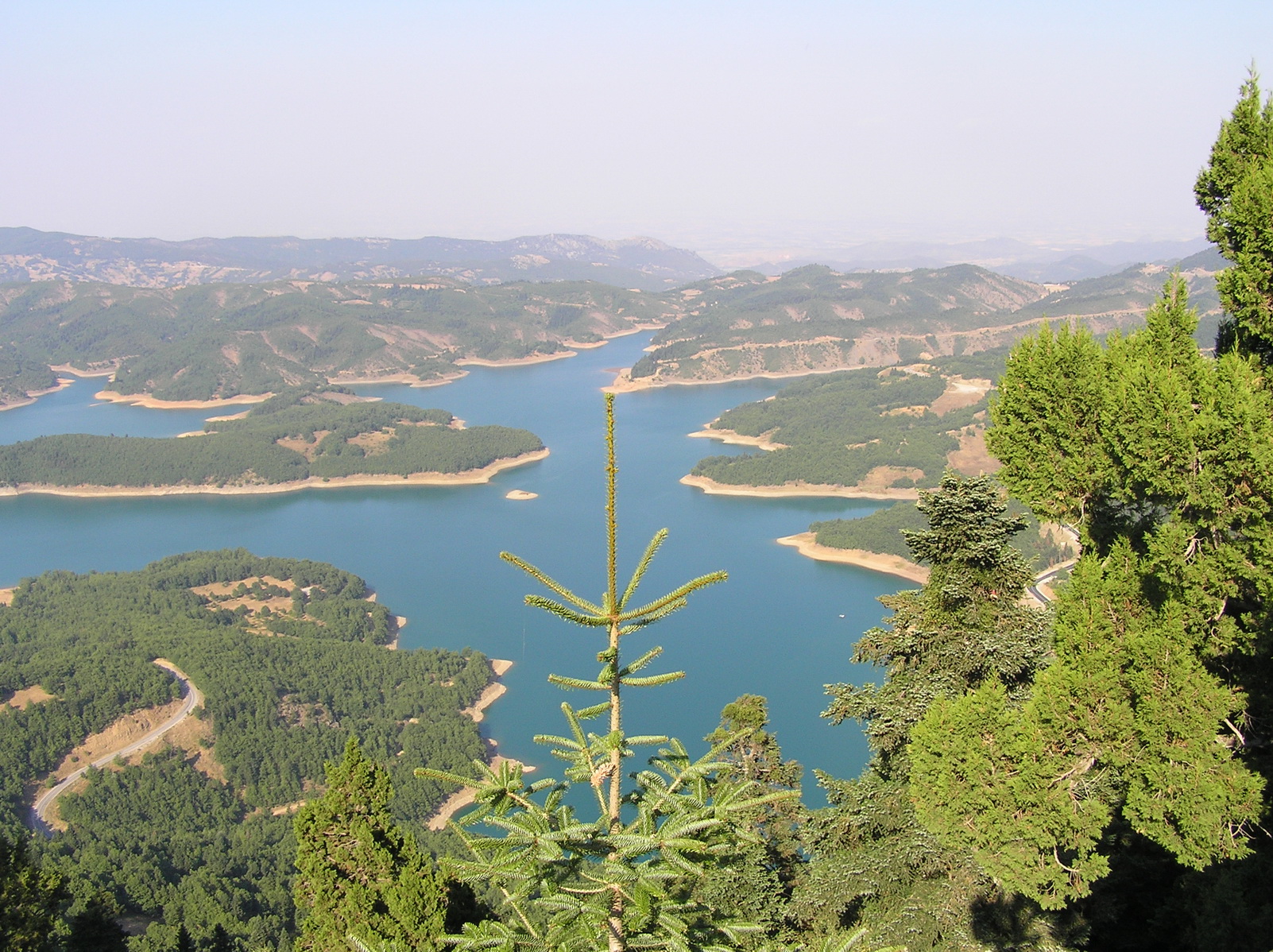
Lake Plastiras, also called the Tavropos Reservoir, is an artificial lake near the city of Karditsa in central Greece, fed by the Tavropos river. It is named after the general and politician Nikolaos Plastiras, who first imagined a reservoir here after a devastating flood. It supplies water and electricity, and its high altitude and scenery have made it a popular tourist resort.
How it formed
The lake is a reservoir behind the Plastiras dam on the Tavropos (Megdovas) river. It is used for irrigation and to run a hydroelectric plant, and it is the main source of water for the city of Karditsa.
History
The idea of a reservoir here is said to have come to General Plastiras in 1925, when he was visiting his home area, which a major flood of the Tavropos had devastated. A committee was set up in 1929, but politicians opposed the plan until the Second World War. After the war, when Plastiras became Prime Minister, the idea was revived, and the new Power Corporation adopted it as part of its plan to electrify the country. An international contest was held in 1953, building began in December 1955, and the dam was officially inaugurated in 1960.
Little Switzerland
Greeks call the lake "Little Switzerland". It lies in the Agrafa mountains, behind an 83 m dam, and its shoreline has many fjord-like inlets and the little islet of Niaga, which has become a landmark of the turquoise water.
Nature
The surrounding mountain slopes are wooded, with oak at 700–900 m, conifer forest up to about 1,500 m, and sub-alpine meadows and low bushes above that. Ferns, geraniums, cyclamen, crocuses, narcissi and several orchids grow under the trees. The area is part of the Natura 2000 network. The water level changes a good deal with the season and the demand for irrigation.
The lake holds eel, common carp, trout, bass, gibel carp, lavaret, tench, bleak and roach. On and around the water you are likely to see herons, coots, gulls, grebes and cormorants, and with luck little egrets, griffon vultures, peregrine falcons or golden eagles. Foxes, wolves, wild boar, badgers and weasels live along the shores, and bears, deer and wildcats less often.
Gallery
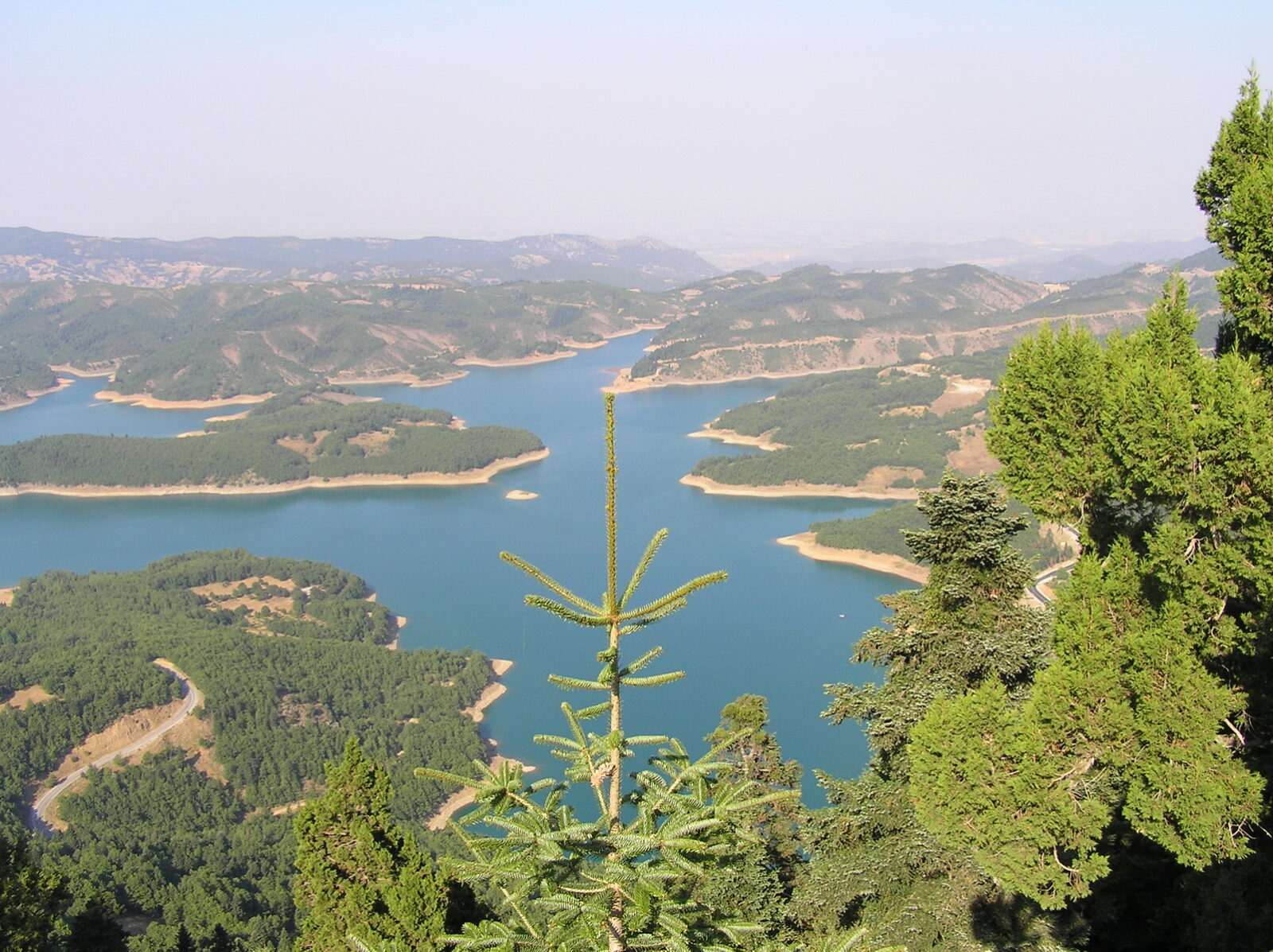 Photo: я · Public domain
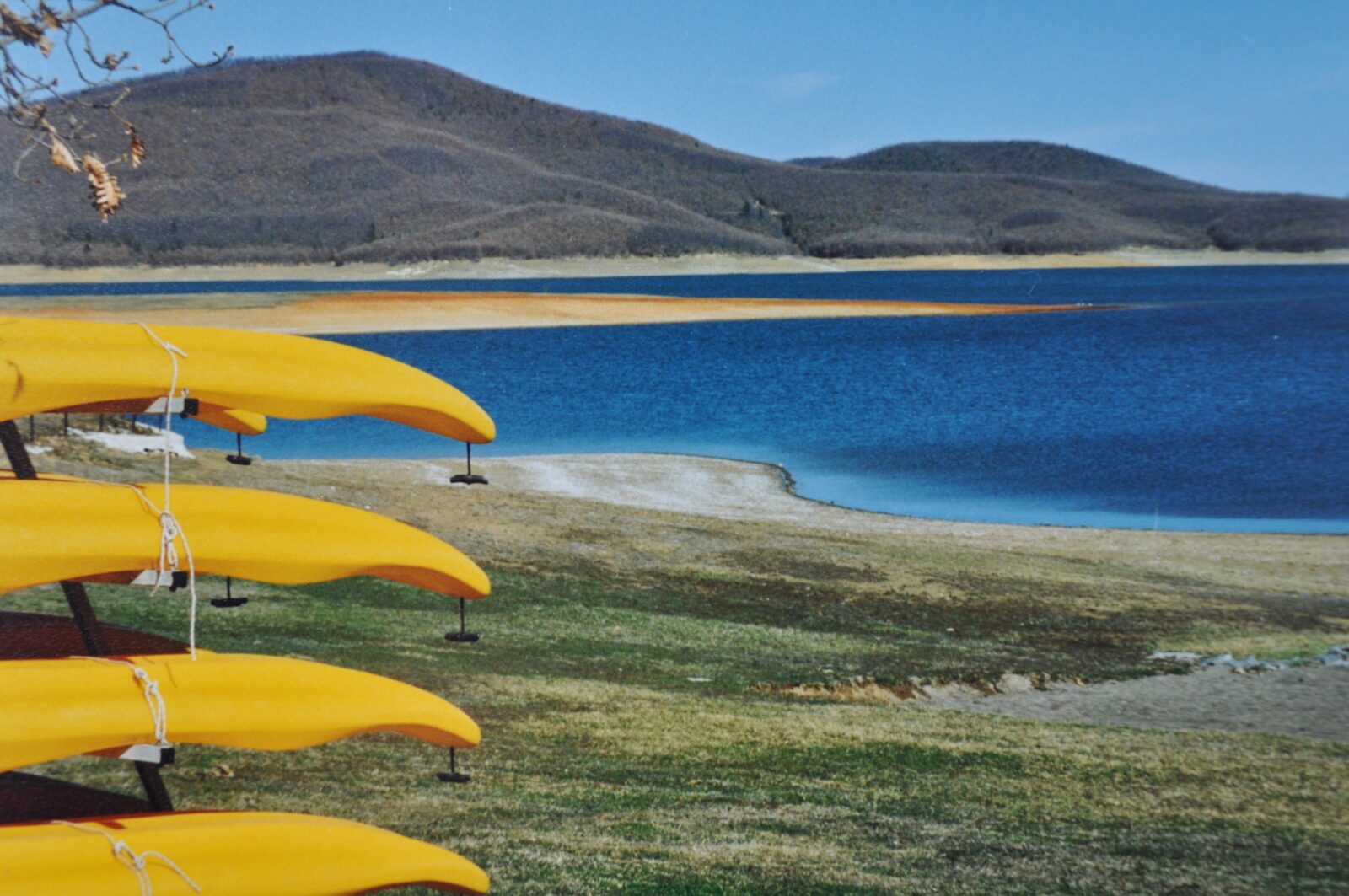 Photo: ΣΤΕΦΑΝΟΣ Γ. ΠΡΙΝΤΣΙΟΣ · CC BY-SA 4.0
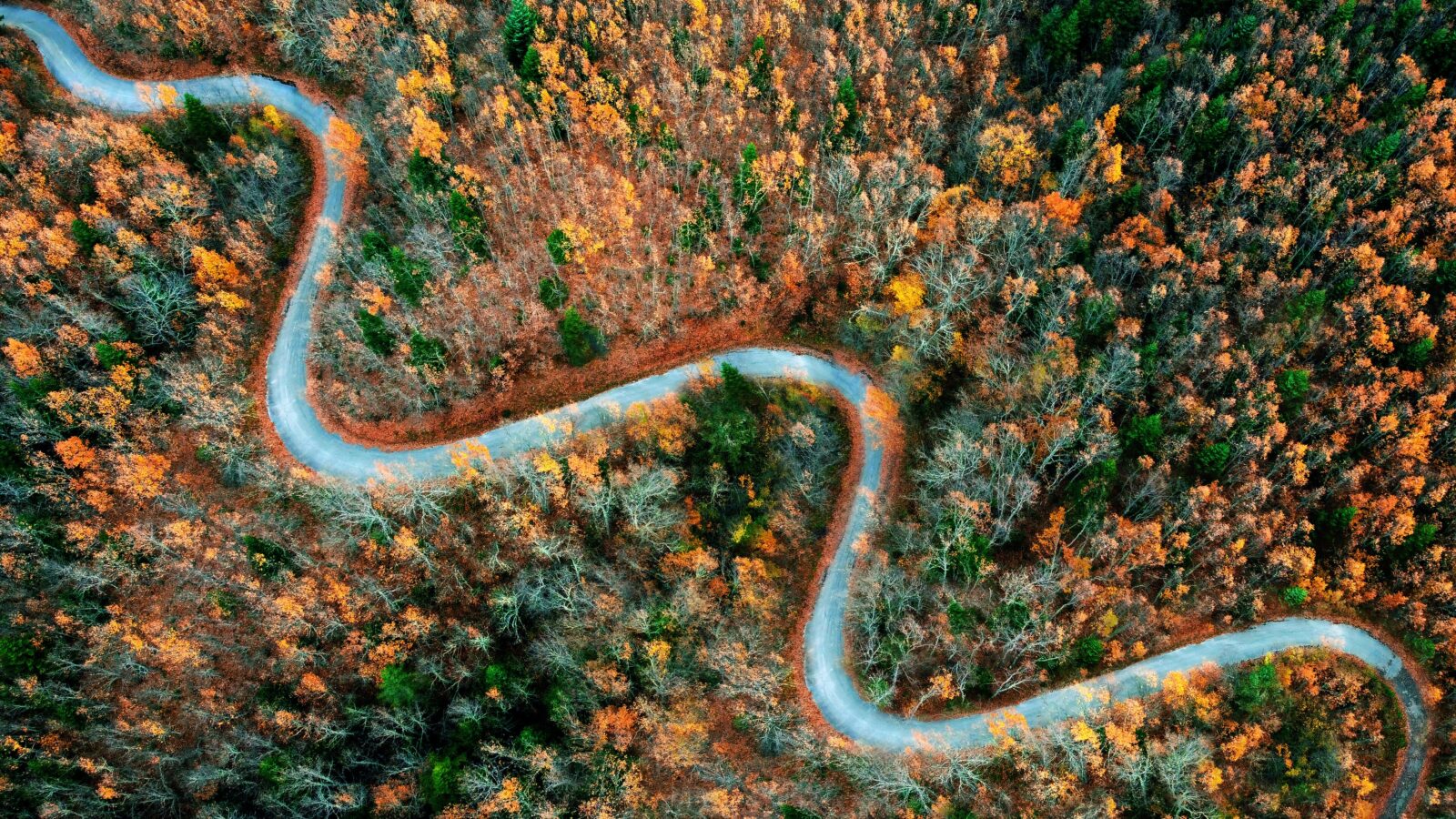 Photo: Αλεξανδρής Αλέξης · CC BY-SA 4.0
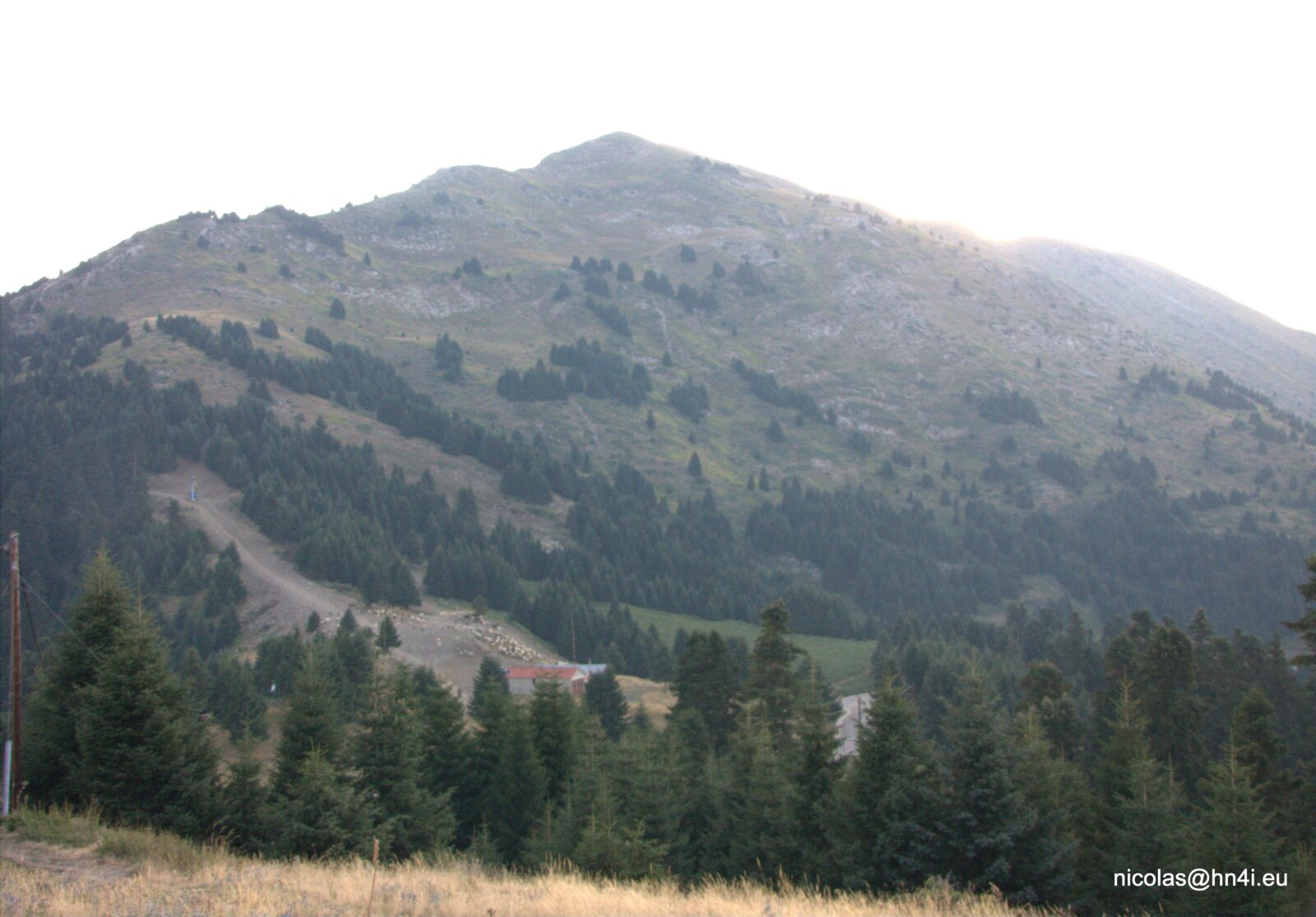 Photo: Nicolas Hadjidimitriou · CC BY-SA 4.0
Visit
Getting there
Nearest settlement: Karditsa
Swimming
No reliable information
Tips
Because of its altitude and its landscape the lake is a popular tourist resort in Greece. Roads can be icy in winter.
On the water
Canoes and pedal boats can be taken out, and the serviced beaches of Pezoula and Lambero are good for a swim, and they host a Pan-Hellenic lake-crossing swim every August. Some boat tours reach quiet spots that can only be reached by water, and an early-morning canoe is the quietest way to see the lake.
Walking, riding and flying
The Belokomitis forest eco-trails are one option, and trails lead to the Karamanolis and Elatakos refuges, where a small ski resort operates. You can also cycle, ride a horse along the shore, try archery, or paraglide and hang-glide at Neraida. Driving or cycling the road around the lake, about 55 to 70 km long depending on the route, gives repeated viewpoints, and the dam and the lookouts near it are the classic spots for sunrise and sunset. The Observatory, at 1,350 m, has a view over the Agrafa mountains and the plain of Thessaly.
Villages
Neochori and Kalyvia Pezoulas are the main hubs, and Neochori has a botanical garden. The monastery of Panagia Pelekiti at Karitsa is carved into the rock, Mesenikolas is known for its red wine, and Fylakti for its stone fountains. Spring and autumn are said to be the lake’s best seasons.
Nearby lakes
Show on map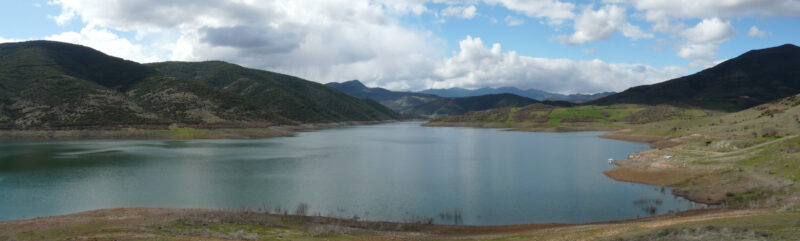


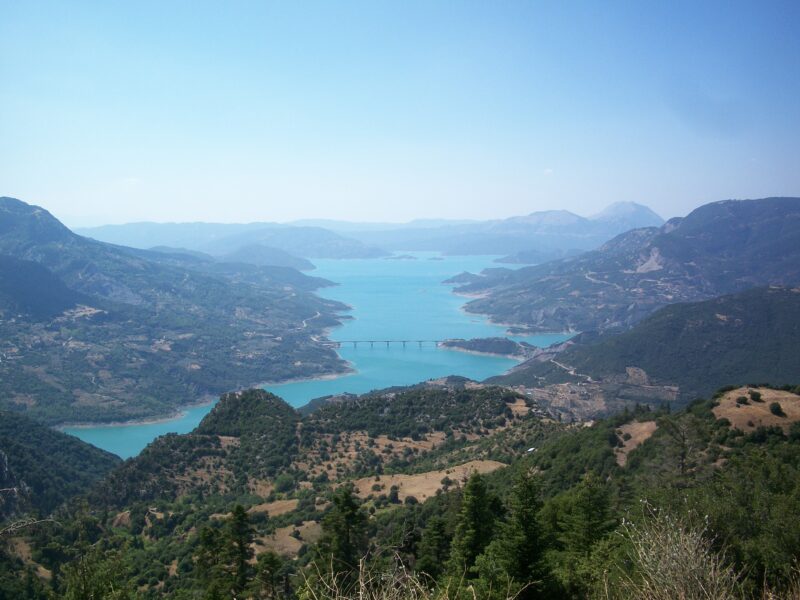 Photo: C messier · CC BY-SA 3.0

Greece · Central Greece · Western Greece
Lake Kremasta
Reservoir · artificial
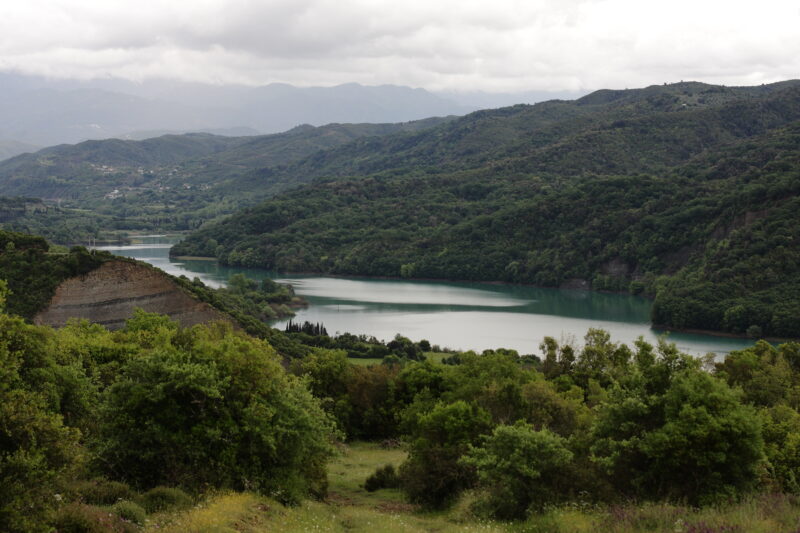 Photo: Christos Houliaras · CC BY-SA 4.0

Guides
All guides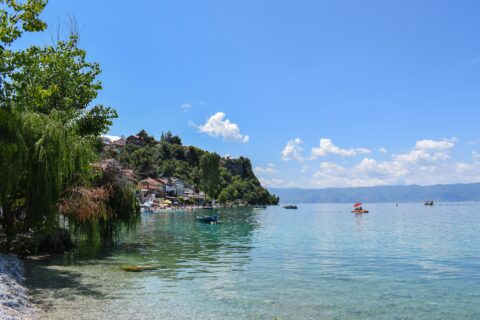
The best lakes in the Balkans for swimming
Looking for a beach holiday without the Adriatic crowds? Six Balkan lakes with warm water, real beaches and room to breathe, with water temperatures, facilities and how to get there.
Know Lake Plastiras well?
Suggest a beach, viewpoint, trail or amenity, or tell us if something has changed. We read every message.
Sources & data
- Greece's 2022 Water Framework Directive reporting to the EEA: lake (LW) and transitional (TW) water bodies, field cArea, European Environment Agency (WISE WFD), reported by Greece, 2022
- OpenStreetMap: Τεχνητή Λίμνη Πλαστήρα (relation 1880660), OpenStreetMap contributors
- Wikidata: Lake Plastiras (Q1475796), Wikimedia Foundation
- English Wikipedia: Lake Plastiras, Wikimedia Foundation
- Plastiras Lake, Visit Greece
- Road trip to Lake Plastira, Travel.gr
- Natural Habitat, Lake Plastiras municipal site
- Περιβαλλοντική εκπαίδευση στην περιοχή λίμνης Ν. Πλαστήρα, KPEEE Neochori